Rishikesh · Uttarakhand
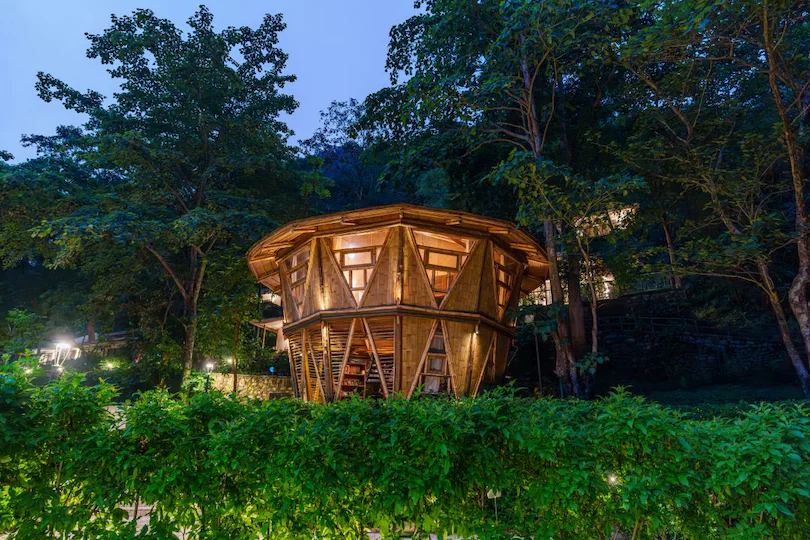
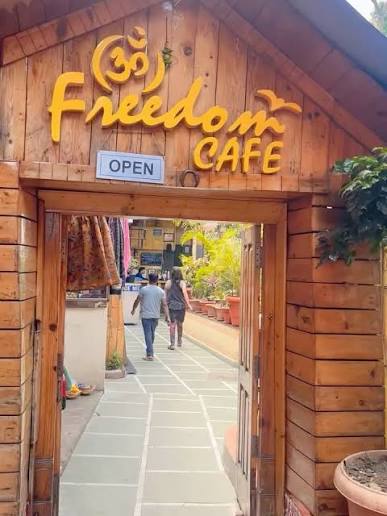
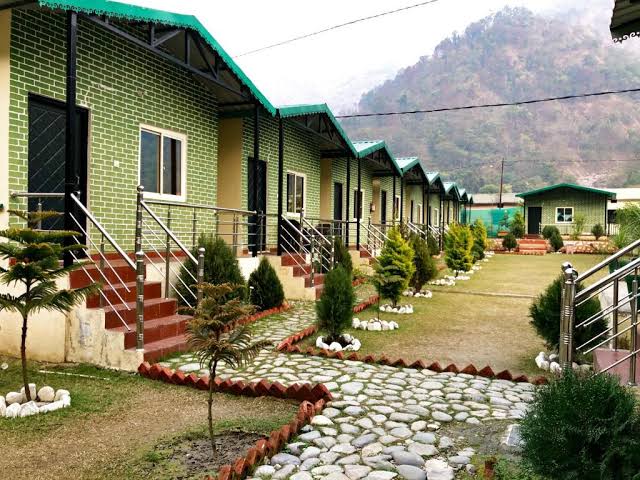
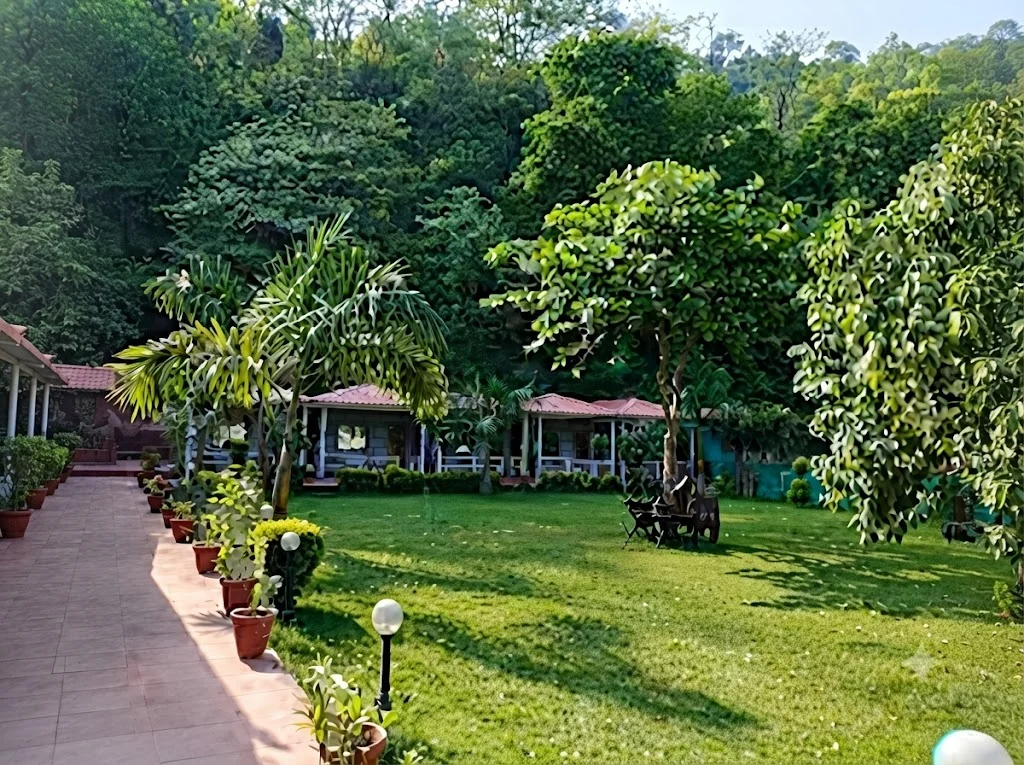
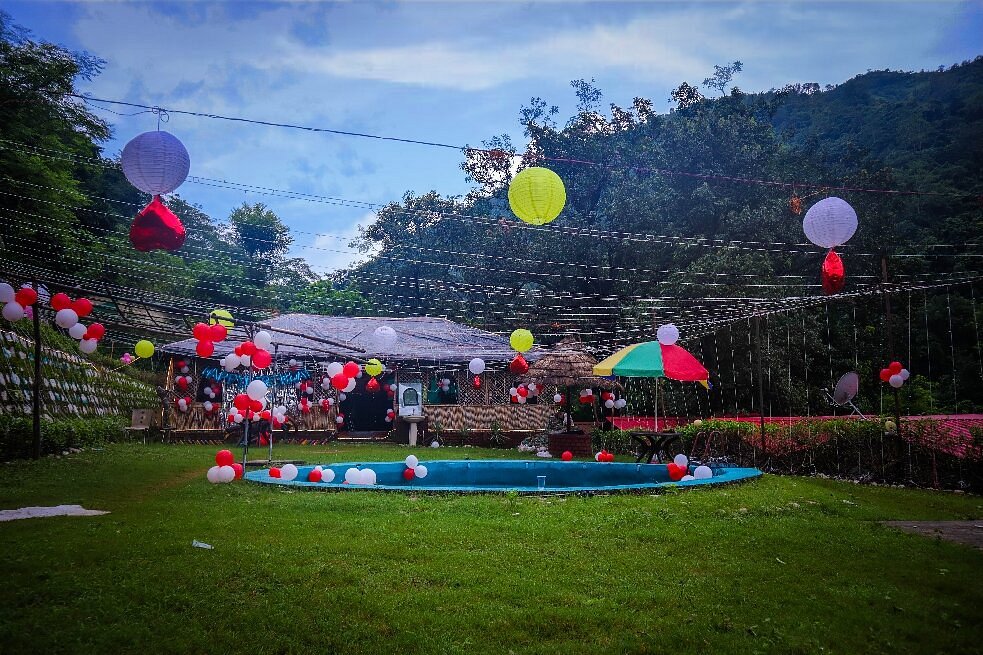
5 verified pet-friendly places in India's adventure capital — Team Verified stays on the Ganges, confirmed directly with the properties.
Browse stays and restaurants & cafes in Rishikesh, then check each listing's details before you go.
Options and counts use the levels recorded for these listings.
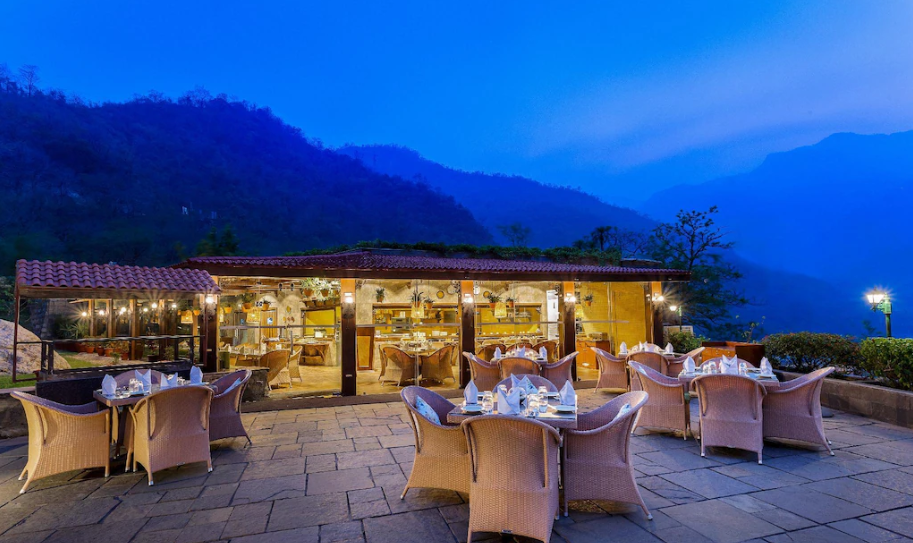
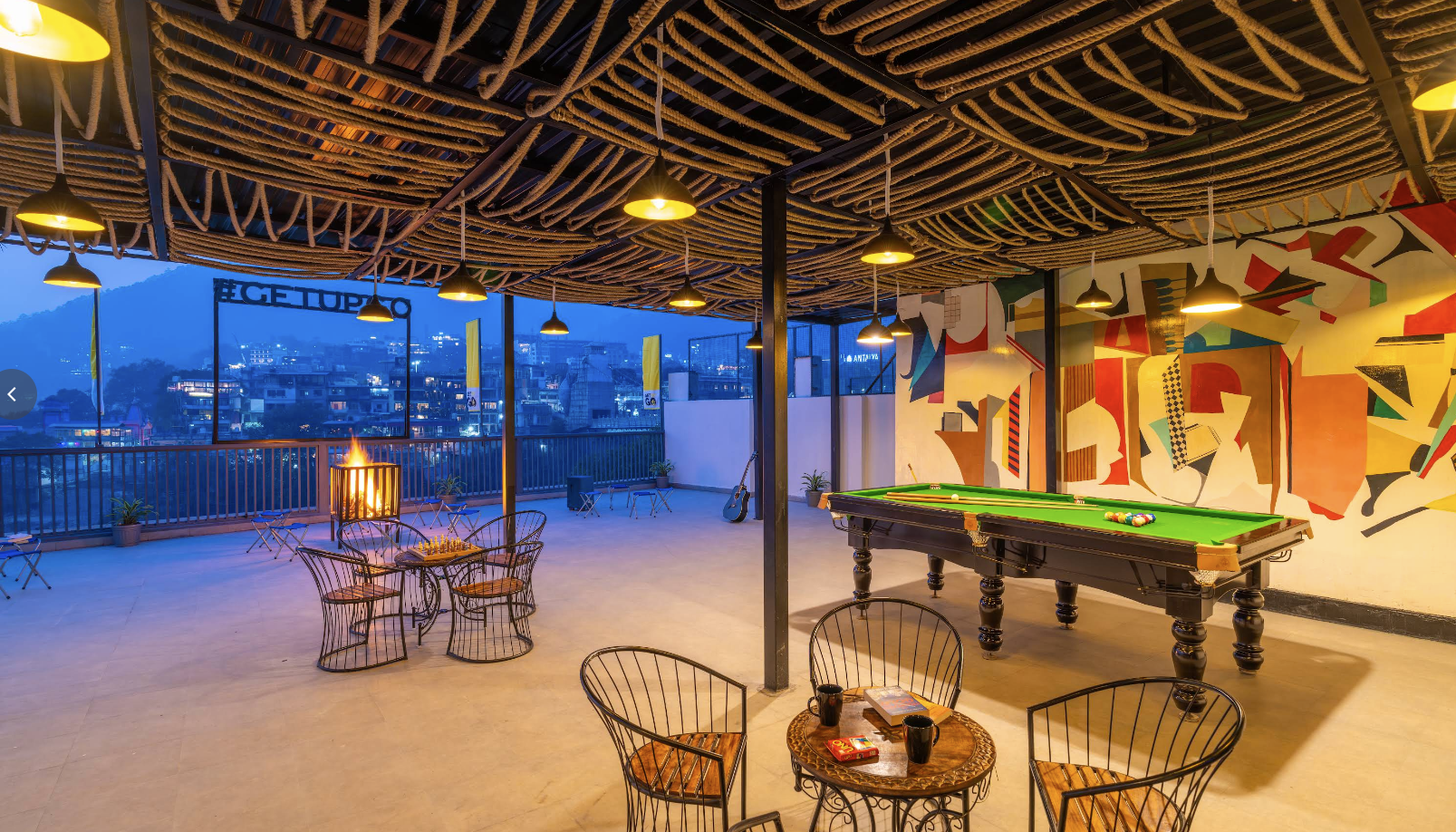
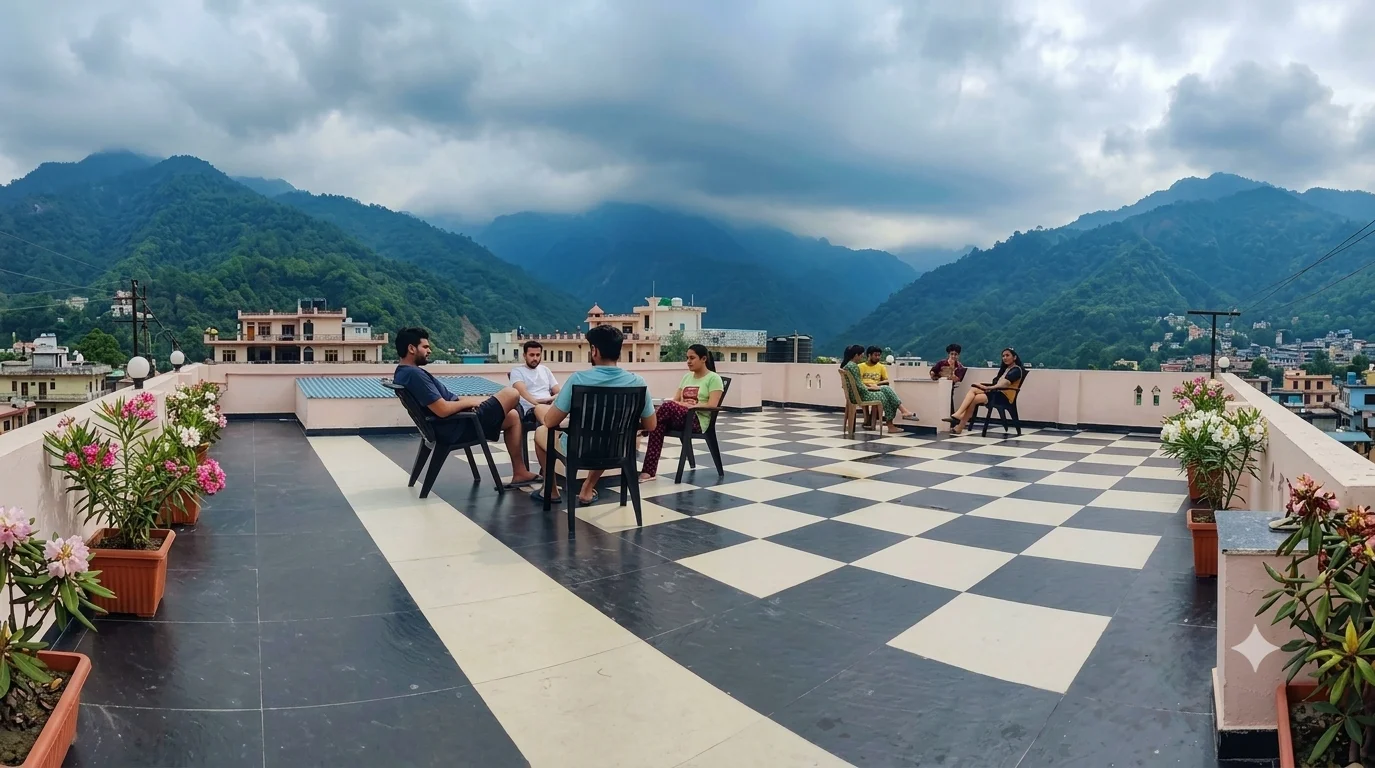
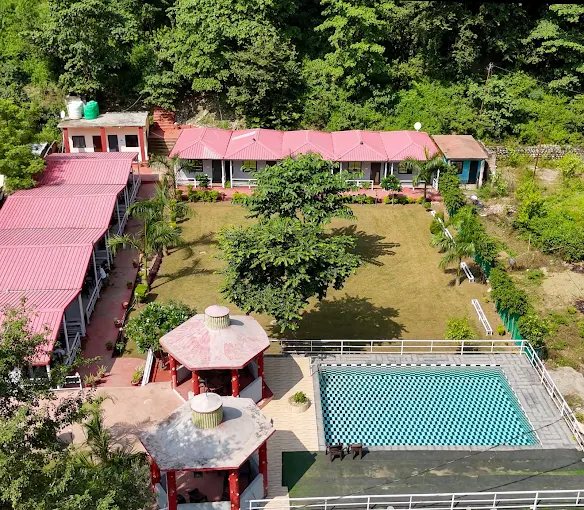
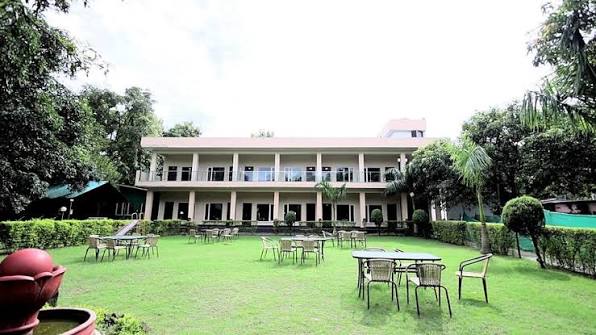
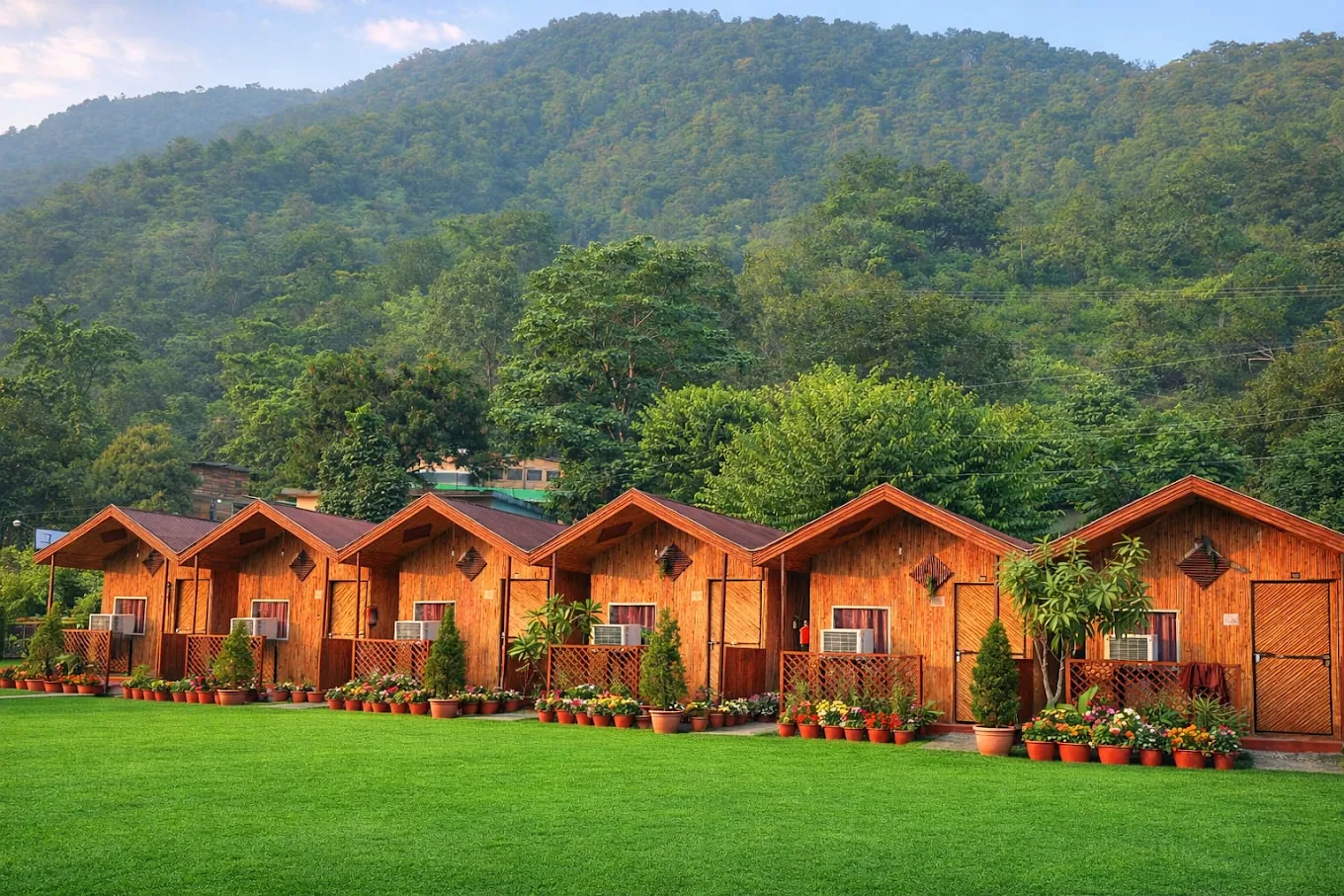
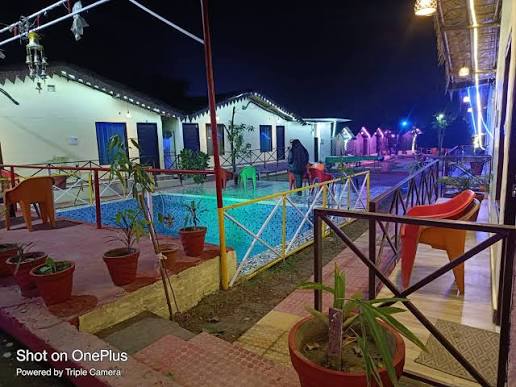
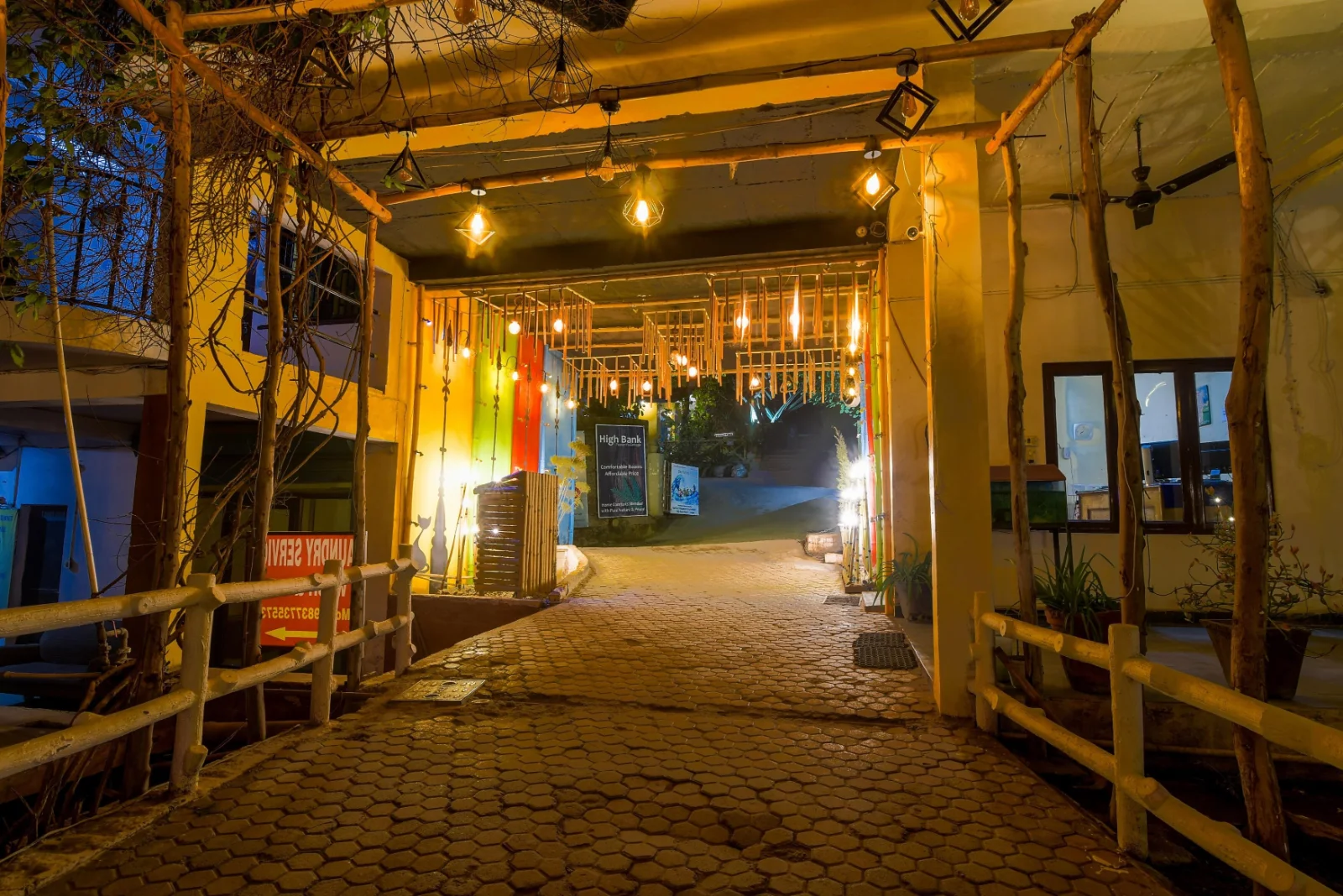
Rishikesh has more verified pet friendly stays than any other city on the site, and they genuinely span every kind of trip, riverside glamping…
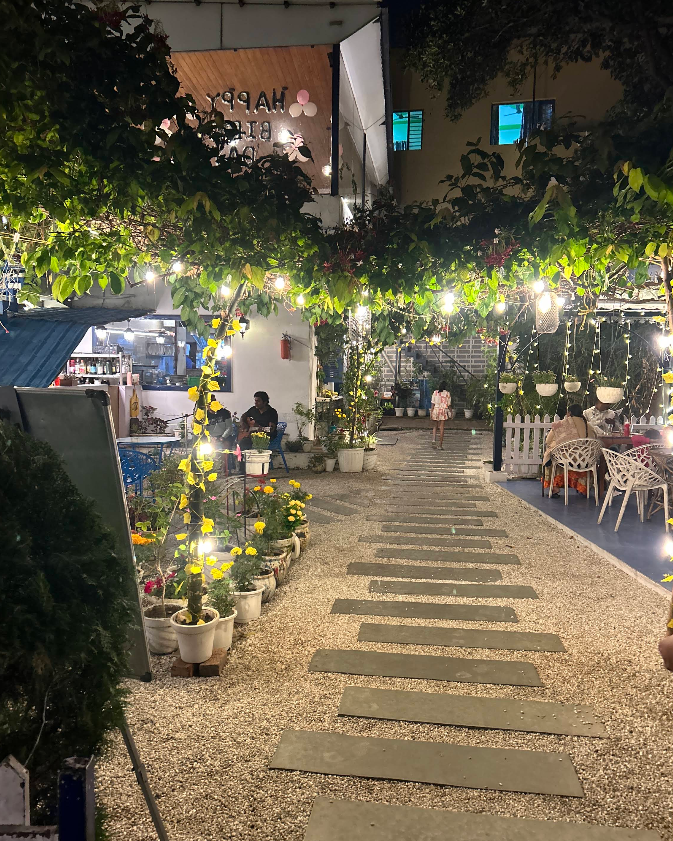
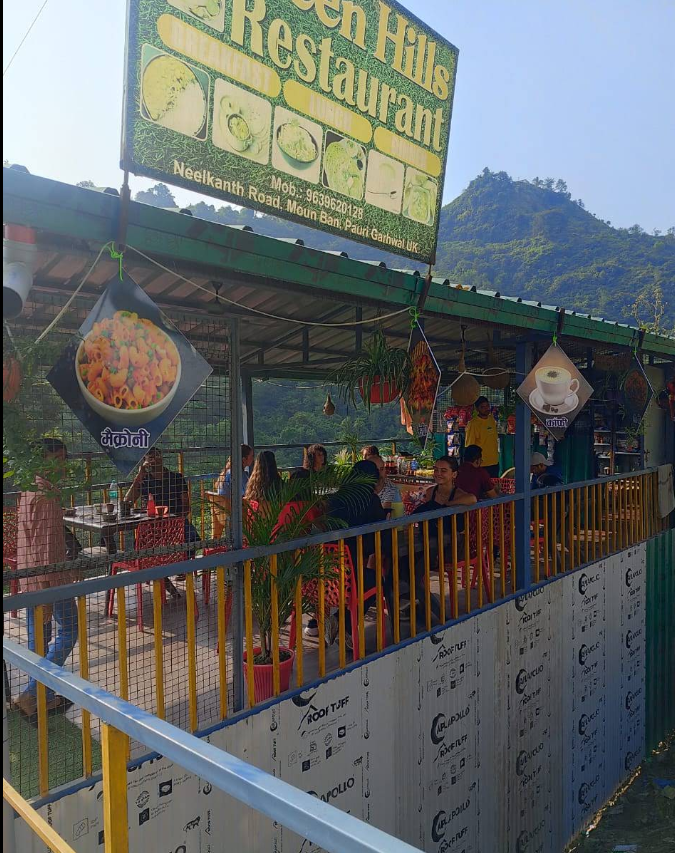
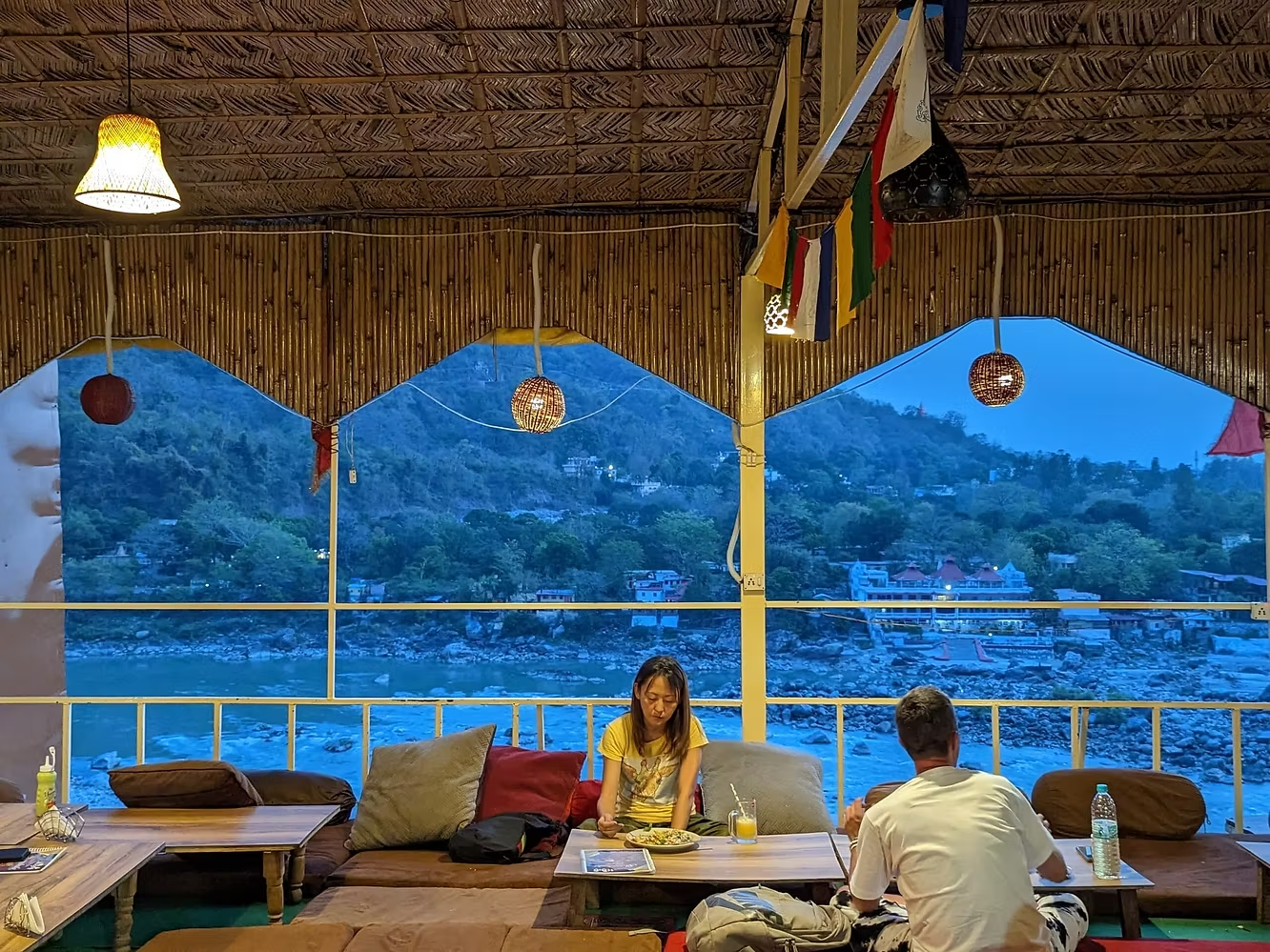
Dining out with your pet in Rishikesh is a delightful experience, though it requires a little advance preparation.
Rishikesh, nestled along the Ganges River, is an ideal getaway for you and your furry companion.
Rishikesh has long been a destination for spiritual seekers, yoga practitioners, and adventure enthusiasts, but how does it shape up for those travelling with pets? Surprisingly well, as long as you know where to stay and what areas to avoid. Unlike bustling Haridwar, Rishikesh offers a more laid-back vibe, with pet-friendly cafes, open spaces to walk, and accommodations in areas like Laxman Jhula and Tapovan that welcome four-legged guests. Being at just 356m above sea level, Rishikesh is easy on older pets who might struggle with high altitudes — though the hilly terrain in some parts can add a touch of adventure.
The area is divided into the lower town near the Haridwar side (think bus stops and markets) and the more serene Laxman Jhula and Tapovan stretches perched on the hills across the Ganga's eastern bank. The suspension bridges of Laxman Jhula and Ram Jhula are iconic landmarks, and while they're dog-friendly on leash, the crowds and monkeys can make these crossings stressful. The nearby forested hills offer short hikes for pets that enjoy walking, but wildlife (including leopards) and slippery monsoon terrain mean you’ll need to remain cautious.
Rishikesh with dogs can be a rewarding trip if you stick to the quieter zones and plan ahead. Just beware of strong Ganga currents near ghats, especially during monsoon, as well as cheeky monkeys that seem perpetually on the hunt for something to snatch. Your dog will enjoy both the spiritual stillness of yoga gardens and the chance to roam lush green areas near ashrams and cafes. It's all about balance in this charming, river-lined town.
Getting to Rishikesh with a dog isn’t too complicated, but it does require some planning based on how you choose to travel. If you’re coming from Delhi, the 240 km drive via NH334 takes about 4.5 to 5.5 hours, depending on traffic. The road conditions are generally good but expect some congestion as you approach Haridwar. For pets prone to motion sickness, pack ginger biscuits or vet-prescribed meds, especially as you near the winding, last stretch towards Tapovan. Avoid travelling during peak heat if your pet isn’t used to long journeys; early mornings are ideal for road trips. Plan toilet breaks every 2–2.5 hours at open dhabas where dogs can stretch their legs. Signage for Rishikesh is straightforward, and Google Maps works well here.
If you're considering the train, there’s no direct option to Rishikesh. The nearest stop is Haridwar, a major railway hub just 25 km away. Haridwar station is busy and chaotic, so if your dog's not used to crowds, keep them leashed tightly and consider using a muzzle for extra safety. From Haridwar station, the best way to get to Rishikesh is by cab — the drive is around 45 minutes. Many local cab drivers are fine with carrying pets, especially if you pre-inform them, but larger dogs might require you to book an SUV. Auto-rickshaws connect various points in Rishikesh, but they're not the best for large dogs — stick with cabs for stress-free movement.
Public buses are not pet-friendly, so don’t count on them. That said, once you’re in Rishikesh, walking is the best way to get around, especially near Laxman Jhula and Tapovan. Keep in mind that the suspension bridges aren’t accessible by car, so you’ll have to park elsewhere and walk your pet across. Be mindful of monkeys as you cross — they’re notorious for grabbing anything that looks like food, even out of your hands or dog’s mouth.
Rishikesh, while largely safe for pets, does have certain hazards you’ll need to be vigilant about. Monkeys are perhaps the biggest challenge here. They’re everywhere — near ghats like Triveni and on the suspension bridges at Laxman Jhula and Ram Jhula. While they may seem harmless at first, they can become aggressive if they see food or feel threatened. Always keep snacks and dog treats securely hidden in a backpack rather than hand-carrying them. Avoid monkey-dense areas during feeding times (mornings and evenings). A solid leash is essential to keep your dog from lunging at them or vice versa.
The forested areas around Tapovan and higher trails might sound like great spots for a walk, but leopards have been spotted here, especially in the evenings and nights. Avoid walking these trails after dusk and stick to areas with human activity. Even during daylight, be mindful of sudden movements in the underbrush. If your dog has a high prey drive, keep them securely leashed — you don’t want an unexpected chase into the forest.
Another major seasonal hazard is the monsoon flooding. Low-lying ghats like Triveni can become dangerous in July and August. Ganga’s currents are strong enough to sweep away even large dogs, so avoid letting your pet near the water during these months. The trails and steps in many areas, including those leading to temples and ashrams, can become dangerously slippery.
For summer visits, keep in mind that Rishikesh can hit 40°C in peak heat, and pavement temperatures can burn dog paws. Walk early in the morning or post-sunset when it’s cooler, and carry dog boots if your pet’s sensitive to heat. Lastly, remember that most streets in Rishikesh don’t have proper waste disposal options. Carry a dedicated poop bag, as littering is seriously frowned upon in this spiritual town.
This is the heart of Rishikesh’s tourist-friendly zone and where you’ll find many pet-friendly cafes, budget accommodations, and small green patches for walks. The iconic suspension bridge is here, and while you can cross it with your dog, expect massive crowds during the day. Early mornings are calmer for a peaceful stroll. Watch out for unruly monkeys along the bridge, so keep snacks hidden and your dog on a tight leash. Laxman Jhula is lively but manageable with pets, and the views of the Ganga here are unmatched.
A slightly less crowded alternative to Laxman Jhula, this quieter suspension bridge connects the area around Swarg Ashram to the southern bank. Ideal for those staying nearby, the vibe here is a bit more mellow, but monkeys are still a factor. The nearby ghats and ashram courtyards make for good walking spots, though they can get slippery during the monsoon. This is a good area to visit with pets if you’re after spiritual calm rather than tourist buzz.
Perched higher up the hill on the eastern side, this area is fast becoming a hub for boutique homestays and yoga retreats, many of which are pet-friendly. What’s great about Upper Tapovan is the peace and greenery. You’ll find small trails leading into the forest for short walks with your dog, but do remain cautious of leopards, especially around dusk. There’s less traffic here, so it’s a more relaxing spot overall.
Busy but more accessible than Upper Tapovan, this area is a mix of cafes, shops, and guesthouses. It’s a bit more congested than its upper counterpart, but still manageable for pets. Walks here are more about atmosphere than scenery, and you’ll find plenty of places to grab a meal without needing to leave your dog behind. Temperatures can be warmer here than uphill, so plan daytime outings accordingly.
Located on the eastern bank just south of Ram Jhula, Swarg Ashram is a spiritual and cultural enclave. It’s a pedestrian-only zone, which can be a relief when walking with pets. While there aren’t big open spaces, the ashram gardens and ghats here are peaceful for relaxed strolls. However, watch out for priests feeding monkeys at ghats like Ganga Niketan — this can lead to an unexpected monkey-dog scuffle if you aren’t alert.
Muni Ki Reti sits closer to Haridwar Road and feels less foundational to the ‘Rishikesh vibe’ of yoga and ashrams. However, it makes up for that by being flat and well-connected. There’s a good amount of open space, ideal for short walks, and fewer monkeys compared to the Laxman Jhula area. If you’re just passing through Rishikesh or don’t want to deal with hilly terrain, this is a practical base.
Walking across this iconic suspension bridge is a must-do in Rishikesh, and your dog is welcome to join you on a leash. Early mornings are the best time to avoid the tourist crush and allow your pet to explore without stress. Just don’t rush the crossing if it’s your pet’s first time; the swaying and noise can be unsettling on a busy day.
This is a calmer alternative to Laxman Jhula and offers equally stunning views of the Ganga. The footbridge leads to ashrams and cafes on either side, making it a serene place to walk your dog. Monkeys are still around, so stay alert and avoid opening food near the bridge. Dogs enjoy this spot for its chill vibes and scenic beauty.
Famous for its evening aarti, this ghat isn’t ideal for dogs during prayer times due to crowds and loud chanting. However, early morning walks along the steps are peaceful, especially if you’re interested in a quiet riverside stroll. The low-lying ghat is prone to flooding in the monsoon, so check conditions before heading here.
This historical site now serves as a quiet, art-filled ruin with trails and graffiti walls. While entry for pets isn’t officially verified, the open nature of the space suggests that you might be able to explore parts of it with a calm, leashed dog. Mornings are the best time to visit for serene vibes.
The drive to this beautiful temple 14 km from Rishikesh is an adventure through forested paths and hilly terrain. While the main temple area is busy and not very pet-suited, the journey itself makes for a great experience if your dog enjoys car rides and forest views. Triangular viewpoints on the way are perfect for a stop-and-sniff break.
While pets aren’t allowed inside the core zones of this wildlife park, the area around its buffer zone is lush and worth visiting for a scenic drive. Just remember that spotting big animals like elephants (or leopards!) isn’t uncommon even in buffer areas, so don’t step into the forest with your dog.
Rishikesh is known for its rafting scene, but it’s strictly a no-go for pets due to the thrill-seeker crowds and swift waters. However, Shivpuri’s beaches and camps on the riverbank are quieter compared to the city ghats, and some camps may allow your dog to roam on leash by the shore.
Important: Pet access at these attractions has not been independently verified by our team. Policies vary and can change. Always call ahead before visiting any attraction with your pet.
The best time to visit Rishikesh with pets is from October to March, when the weather is cool and pleasant. Days are comfortable for outdoor walks and exploring, while evenings are perfect for quiet strolls by the Ganga or relaxing at cafes. February and March are particularly good, with a festive buzz in the air thanks to events like the International Yoga Festival, but the crowds do increase, so plan quieter outings.
Avoid July and August if you can. These peak monsoon months bring heavy rains that make trails slippery, ghats prone to flooding, and forests risky due to mudslides in higher areas. Even the famed suspension bridges can get unnerving with wet, crowded conditions. The humidity is also uncomfortable for long-haired pets.
For those who don’t mind warm weather, summer months from April to June are doable with early-morning plans and shaded cafes for breaks. Be cautious of hot pavements — walking your pet in the midday sun isn’t advisable. The shoulder months of September and late March can be delightful despite occasional heat or rain; it’s all about pacing your outings properly during these transitional times.