
Finding a good vet in India is harder than it should be - and the consequences of getting it wrong are real. We have had three vets for our dogs across seven years. The first one was convenient and confident and missed Ehrlichiosis in a neighbour's dog that should have been caught on the first visit. The second was less impressive-looking but correctly diagnosed a complex skin condition in Captain that two other vets had called allergies. The third - our current vet - is the person we WhatsApp at 11 PM when something concerns us, who responds in minutes, and who has been right more than wrong on complicated calls.
The quality of your vet relationship is possibly the most important health decision you make for your dog. Here is how we think about it.
Understanding Qualifications in India
Veterinary education in India: BVSc & AH (Bachelor of Veterinary Science & Animal Husbandry) - the base degree, 5.5 years. All registered vets hold this. MVSc (Master of Veterinary Science) - postgraduate specialisation. Diploma or Fellowship in specialised areas: dermatology, orthopaedics, ophthalmology, oncology.
Registration with the State Veterinary Council is mandatory. Any practising vet should have a registration certificate visible at the clinic.
10 Questions to Evaluate a New Vet
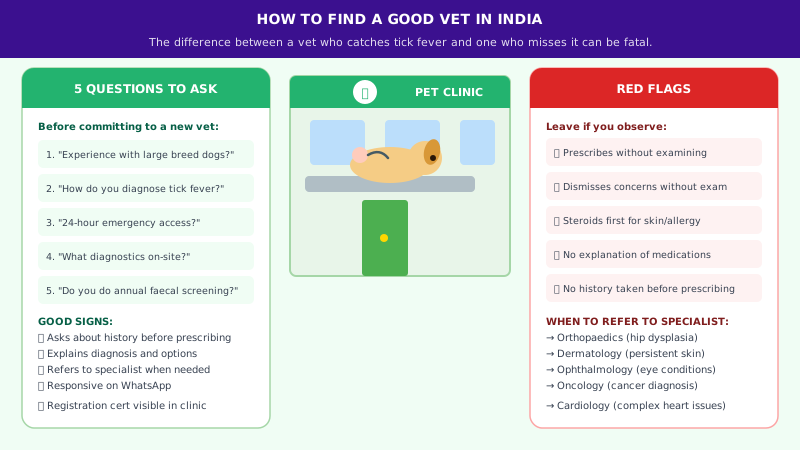
- "What is your experience with large breed dogs?"
- "How do you approach tick fever diagnosis?" - A good vet will explain their workup (CBC, blood smear, IDEXX snap test).
- "Do you have 24-hour emergency access or an on-call number?"
- "What diagnostic equipment do you have on-site?" - Basic: blood work machine, X-ray. More complete: ultrasound, separate isolation ward.
- "Can I bring in a stool sample for routine parasite screening annually?"
Red Flags
- Prescribing without examining: A vet who gives medications over the phone without seeing your dog is practising dangerously.
- Dismissing your concerns without explanation: "It's nothing, don't worry" without an examination or explanation is not reassuring.
- Prescribing steroids as a first-line treatment for skin/allergy issues: Steroids mask symptoms and can cause long-term harm.
- No explanation of what medication is being given.
- No question about the dog's history before prescribing.
When to Ask for a Specialist Referral
- Orthopedic issues - veterinary orthopaedic surgeon
- Persistent skin conditions - veterinary dermatologist
- Eye conditions - veterinary ophthalmologist
- Cancer diagnosis - veterinary oncologist
- Complex cardiac conditions - veterinary cardiologist
Finding Vets When Travelling
Before any trip, identify the nearest vet to your destination. The PetFriendlyPlaces.in vet directory lists verified vets near popular pet travel destinations. In remote areas, a good relationship with your home vet who is reachable by WhatsApp is your best asset.
Related: Dog vaccination schedule India | Tick fever guide | First aid for dogs on road trips
Have a Question?
If you have a question about travelling with dogs in India that this guide does not answer, submit it here - we add the most common questions to our FAQ sections regularly.
See all our verified pet-friendly places: Explore places →