
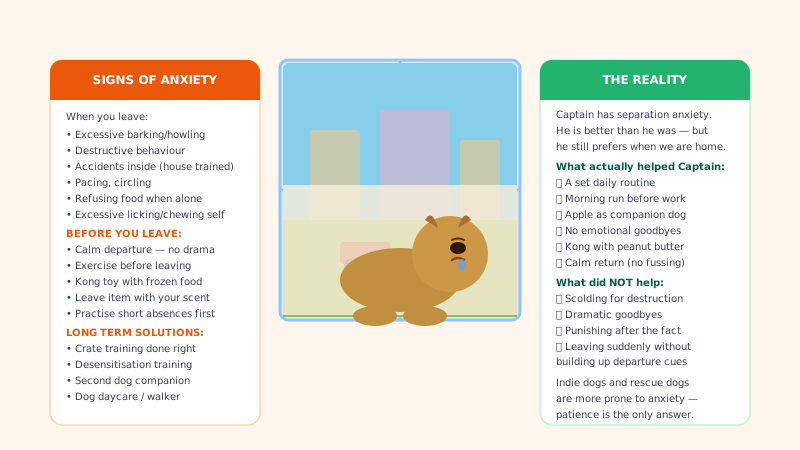
Captain's separation anxiety appeared at 8 months old, about four months after we adopted him. Which, we later understood, is exactly when it typically appears in rescue and street dogs - once they feel secure enough in the relationship to be afraid of losing it.
The first signs were subtle: a neighbour mentioned hearing barking after we left for work. Then we found a shoe chewed. Then a cushion corner. Then the barking at departure became loud enough that two separate neighbours mentioned it in the same week. By the time we took it seriously, it had been ongoing for three months while we told ourselves he would "grow out of it."
What Separation Anxiety Actually Is
Separation anxiety is not disobedience. It is not the dog being "bad" or "spiteful." It is a genuine panic response - the autonomic nervous system engaged as if a threat is present. The destructive behaviour, the barking, the house-soiling despite house training - these are the outputs of a dog who genuinely believes something terrible is happening.
This distinction matters enormously for treatment. Punishing a dog for the results of separation anxiety does nothing to address the anxiety and damages the trust that is your main tool for resolving it.
Signs of Separation Anxiety
During your absence: excessive barking or howling that begins shortly after you leave, destructive behaviour concentrated at exit points, house soiling from a house-trained dog, escape attempts, refusing to eat when alone.
At your departure: extreme distress when departure cues appear (picking up keys, putting on shoes), inability to settle once you have put on shoes, following you from room to room obsessively before departure.
What Actually Worked for Captain
1. A consistent daily routine. The single most effective intervention. Captain settled significantly once he could predict - with confidence - when we left and when we returned. Variable schedules are more stressful than long absences.
2. Morning exercise before departure. A 45-minute morning walk before leaving for work changed the departure dynamic completely.
3. Apple as a companion. This was the biggest single change for Captain specifically. He was a street dog - he spent his formative months in a pack. The improvement after Apple arrived was significant.
4. Calm, brief departures. No long goodbyes. No apologetic petting. We leave without drama. We return without drama.
5. Kong toys with frozen food. A Kong stuffed with kibble and peanut butter and frozen overnight creates a 20–30 minute absorbing activity at the exact time of departure.
What We Got Wrong First
- Emotional departures - telling him it was okay in a worried voice
- Punishment for damage found on return - this damaged trust without addressing anything
- Waiting for it to resolve itself - it did not
- Inconsistent schedule - the random work-from-home days followed by full office days made prediction impossible for Captain
When to Get Professional Help
Severe separation anxiety needs professional intervention: a certified animal behaviourist (look for IAABC-certified professionals in India in Bangalore, Mumbai, Delhi) or a veterinary behaviourist who can assess whether anti-anxiety medication (fluoxetine, clomipramine) is appropriate as a bridge while behaviour modification is implemented.
Related: Apartment dogs India | Indie vs breed dogs India | Adopting a street dog India
Have a Question?
If you have a question about travelling with dogs in India that this guide does not answer, submit it here - we add the most common questions to our FAQ sections regularly.
See all our verified pet-friendly places: Explore places →